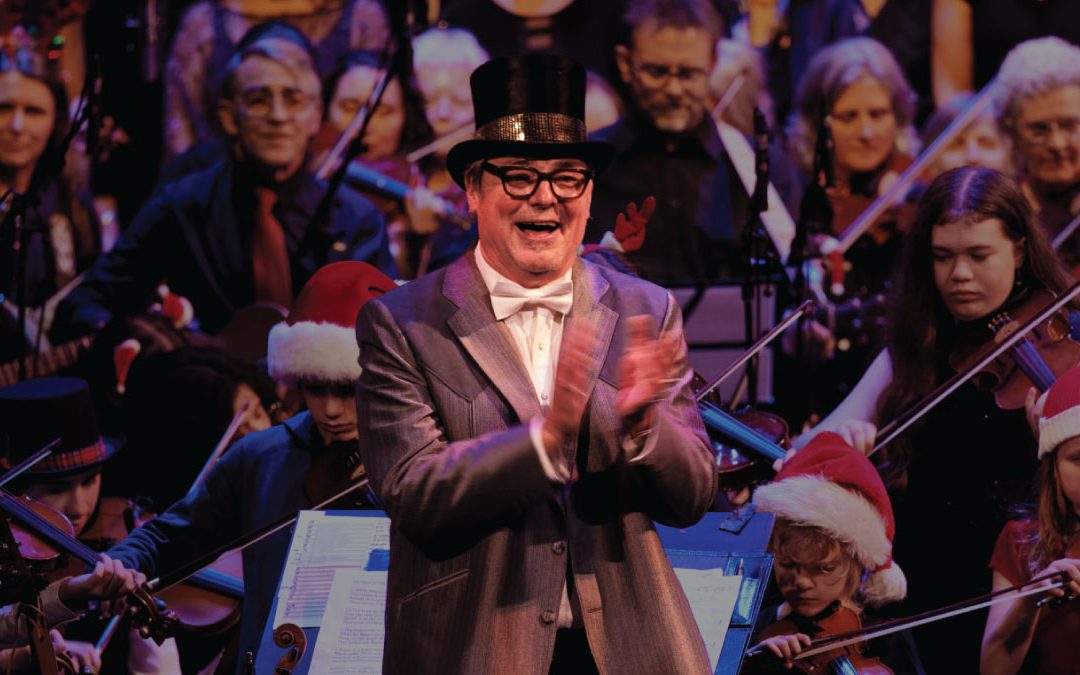
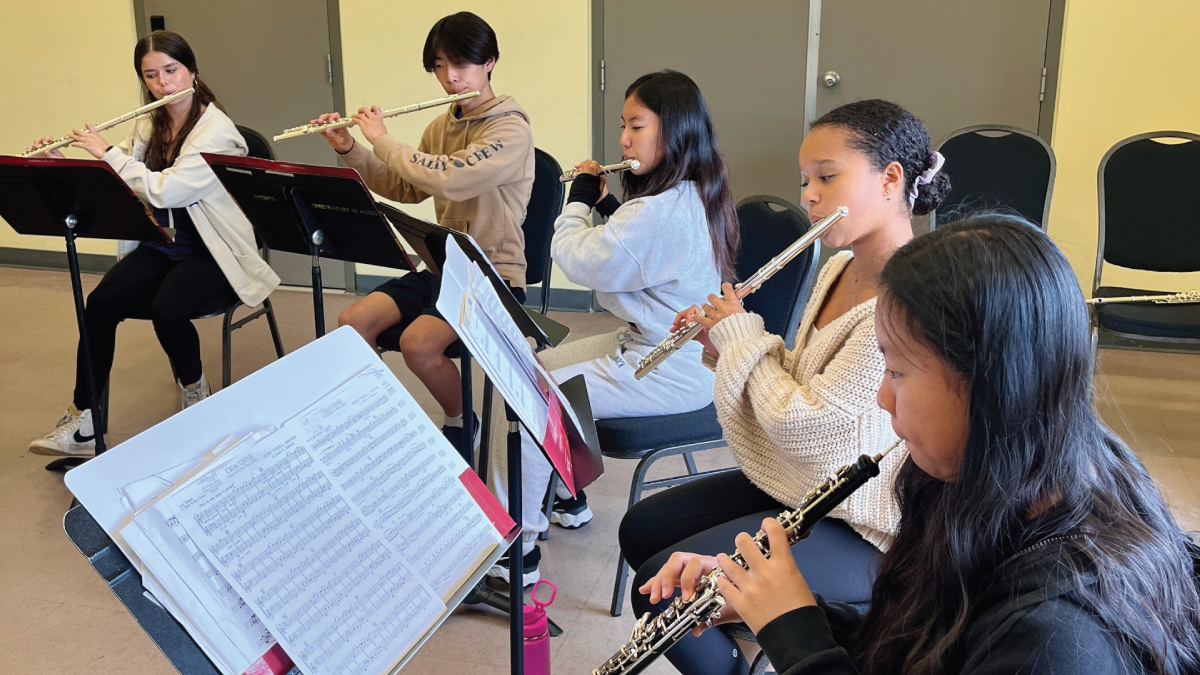
Middle school is a pivotal time for students—a time when they start discovering who they are, where they belong, and where they can shine. For many SD61 students, music programs provide that space. They offer a place to be fully seen, build confidence, and connect with peers in meaningful ways.
The Victoria Conservatory of Music’s CEO, Dean, and Artistic Leadership have written to the school district to share why sustaining these programs is so important. Read their letter below to learn how middle school music supports student development, fosters community, and helps young people thrive.
March 15, 2026
To: Greater Victoria School District No. 61
From: Leadership of Victoria Conservatory of Music, founded 1964
Re: Proposed Reductions to Middle School Music Programs
Dear Colleagues,
We are writing on behalf of the Victoria Conservatory of Music to express our concern over proposed reductions to middle school music programs, including jazz ensembles and choirs, in upcoming budgeting. As music educators and music therapists serving thousands of islanders, the Victoria Conservatory of Music has witnessed first-hand how music learning supports the intellectual, social, and emotional development of our community’s young people.
Reducing access to these programs would negatively impact students at a time when they need the supports most. For many students, music spaces are the only places in school where they feel fully accepted, successful, and seen.
Isolation caused by COVID-19 isolation and youth relating through electronic devices instead of in-person connection has further emphasized the need for intentional socialization within the school system. Opportunities for socialization and student teamwork are not simply “nice to have,” but essential for building trust, belonging, and the collaborative spirit that fuels artistic and holistic growth of our students.
Middle school is one of the most critical and pivotal developmental periods in a young person’s life. At precisely the stage when students are forming identity, confidence, and resilience, the proposed reductions would remove one of the most powerful evidence-based supports available in public education. Music programs—particularly ensembles—are not enrichment; they are core to healthy cognitive, social, and emotional development. The case to increase, or at minimum sustain, the district budget for music education is grounded in three pillars: academic achievement, youth mental health, and social development.
Stronger Academic Outcomes:
Sustained participation in school music is strongly correlated with higher academic outcomes. A population-level UBC study of more than 110,000 BC students demonstrated that those deeply engaged in instrumental music were, on average, a full academic year ahead of their peers in Grade 10–12 English, mathematics, and science. This advantage is held even after controlling socioeconomic and demographic factors.Music courses correlate with healthier developmental trajectories. A Manitoba cohort study found that taking music courses was associated with higher Grade 12 achievement scores and increased odds of on‑time graduation, and that students taking three or more music courses showed a reduced risk of being diagnosed with a substance use disorder during adolescence.
Mental Health:
Music is part of the solution for the well-being of Victoria’s youth. At a time when the mental-health needs of young people are rising sharply, removing proven supports would be a step in the wrong direction. The 2025 MusiCounts National Survey reported that a majority of Canadians associate music education with improved mental health, and that active music-making has greater positive impact than passive listening alone.Our faculty witnesses students who experience anxiety, isolation, or trauma who find stability and belonging through music classes and ensembles. These spaces provide predictable routines, emotional expression, productive challenge, and communal joy—all essential components of adolescent well-being. With 1 in 5 youths facing diagnosed anxiety or depression, districts should be expanding access to these supports, not diminishing them.
BC Arts Curriculum:
As an essential part of the BC education curriculum, music education boosts personal awareness and responsibility, positive personal and cultural identity, and social awareness and responsibility. It enables young peoples’ voices to be heard. It engages students in critical, creative, and reflective thinking.In-Person Socialization and Inclusive Community:
Choirs, jazz bands, strings groups, and contemporary ensembles bring together students of diverse backgrounds and abilities to pursue a shared goal. They foster accountability, listening skills, and mutual respect—qualities that help reduce bullying, strengthen peer relationships, and build resilient school communities.Ensemble music is uniquely powerful at cultivating empathy, cooperation, and social belonging. These ensembles are a safe and inclusive space for a diversity of students to have a sense of belonging, community, and accomplishment.
Final Words:
As one of Canada’s leading community music schools, serving thousands of Islanders annually, the Victoria Conservatory of Music has had a six-decade view of how music education shapes confident, emotionally healthy young people and vibrant communities. Reducing access to middle-school ensembles risks long-term consequences that will be far more costly—socially, academically, and economically—than the short-term savings achieved through these cuts.We respectfully urge the District to safeguard these essential programs, honour the evidence, and invest in the long-term well-being of Greater Victoria’s youth. The developmental benefits of music education for youth are profound and proven, and the impact on communities is lasting. Victoria does not just listen to music—it learns to make it here. The school system is where the sound of Victoria is learned.
Sincerely,
Tricia Baldwin, Dean
Daniel Brandes, Artistic Director, School of Music Technology & Creativity
Dr. Johanne Brodeur, Department Head, Music Therapy
Müge Büyükçelen, Co-Department Head, Strings
Colin Doroschuk, Department Head, Voice
Robert Holliston, Department Head, Keyboard
Daniel Lapp, Artistic Director, Chwyl Family School of Contemporary Music
Nathan Medd, Chief Executive Officer
Emily Nagelbach, Department Head, Winds & Brass
David Visentin, Associate Dean
Brian Yoon, Co-Department Head, Strings